
Articles
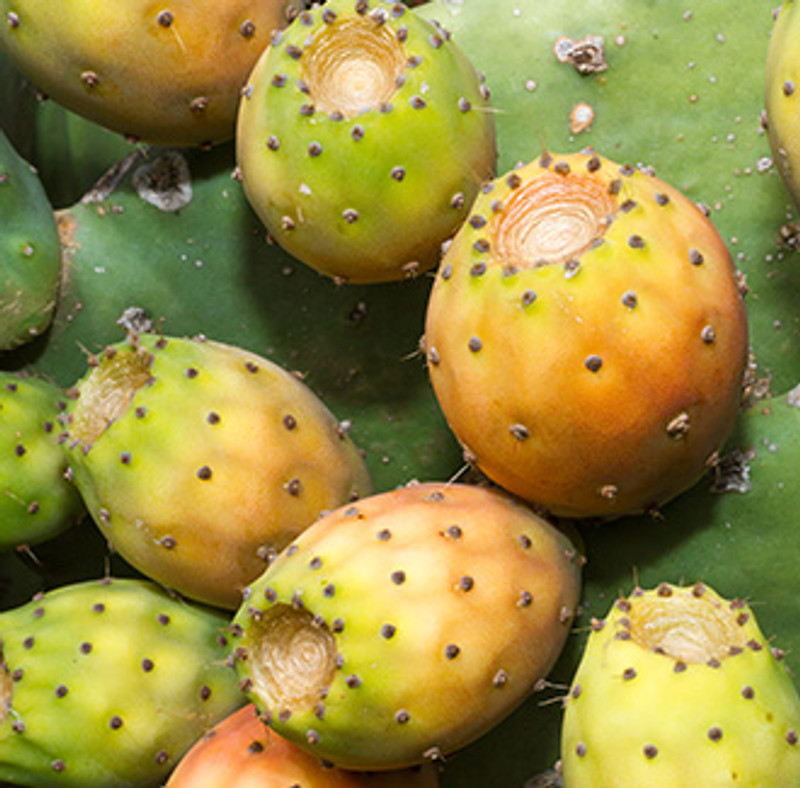
Prickly Pear Fruit: Health Benefits and Uses
What is Prickly Pear Fruit?
Prickly pear fruit, also known as Opuntia, grows on cactus plants. It is characterized by its spiky outer skin and sweet, seed-filled flesh. For centuries, this fruit has been used not only as food but also for medicinal purposes across various cultures.
Health Benefits of Prickly Pear Fruit
Nutrient-Rich:
- Prickly pear is packed with essential vitamins and minerals.
- It contains vitamin C, which acts as an antioxidant and supports the immune system.
- Other key nutrients include vitamin B6, magnesium, and potassium, which are vital for heart and muscle health.
Antioxidant Properties:
- Prickly pear contains antioxidants such as flavonoids, which combat oxidative stress.
- Oxidative stress can damage cells and contribute to chronic diseases like heart disease and cancer.
Digestive Health:
- As a good source of dietary fiber, prickly pear supports digestive health.
- It promotes bowel regularity, prevents constipation, and enhances nutrient absorption.
Blood Sugar Regulation:
- Some studies suggest that prickly pear helps regulate blood sugar levels.
- Its fiber slows sugar absorption in the intestines, helping stabilize glucose levels.
Skin Health:
- Thanks to its high vitamin C and antioxidant content, prickly pear promotes healthy skin.
- Vitamin C aids in collagen production, maintaining skin elasticity and reducing signs of aging.
Key Nutritional Components of Prickly Pear
Each 100 grams of prickly pear contains:
| Nutrient | Amount | % Daily Requirement |
|---|---|---|
| Calories | 41 kcal | — |
| Carbohydrates | 9.6 g | — |
| Dietary Fiber | 3.6 g | — |
| Sugars | 5.1 g | — |
| Protein | 0.7 g | — |
| Vitamin C | 14 mg | ~17% |
| Vitamin B6 | 0.06 mg | ~5% |
| Magnesium | 85 mg | ~20% |
| Potassium | 220 mg | ~5% |
| Calcium | 56 mg | ~6% |
| Folate | 6 mcg | ~2% |
| Vitamin A | 43 IU | — |
Uses of Prickly Pear Fruit
Food and Beverages:
- Prickly pear can be eaten fresh after careful peeling to avoid the spines.
- It is also used in juices, jams, and salads.
- In some cultures, the cactus pads (nopales) are cooked and added to dishes like salads and main courses.
Traditional Medicine:
- Prickly pear and its cactus pads have been used to treat conditions such as urinary tract infections, skin inflammation, and burns.
- Extracts from the fruit are believed to aid in wound healing and reduce inflammation.
Cosmetics:
- Prickly pear extracts are used in natural skincare products due to their benefits for skin and hair.
- These extracts help hydrate and protect skin and hair from damage.
Conclusion
Prickly pear fruit is not only delicious but also offers numerous health benefits. Whether consumed fresh or used in various dishes, it can be a valuable addition to your diet. With its rich nutritional profile and potential medicinal properties, prickly pear supports overall health and wellness. Give this nutrient-packed fruit a try and enjoy its multiple benefits!
References
https://www.ncbi.nlm.nih.gov/pmc/articles/PMC10084978
https://typeset.io/pdf/cactus-pear-fruits-opuntia-spp-a-review-of-processing-2m5mp4cax4.pdf
https://www.sciencedirect.com/science/article/abs/pii/S0008621502001866